Feature article - Don’t forget your homework!
In speciality chemicals, doing your MA&D ‘homework’ means much more than it used to, says Lauren McCallum, solution manager for SAP’s Chemical Industry business unit



In speciality chemicals, doing your MA&D ‘homework’ means much more than it used to, says Lauren McCallum, solution manager for SAP’s Chemical Industry business unit
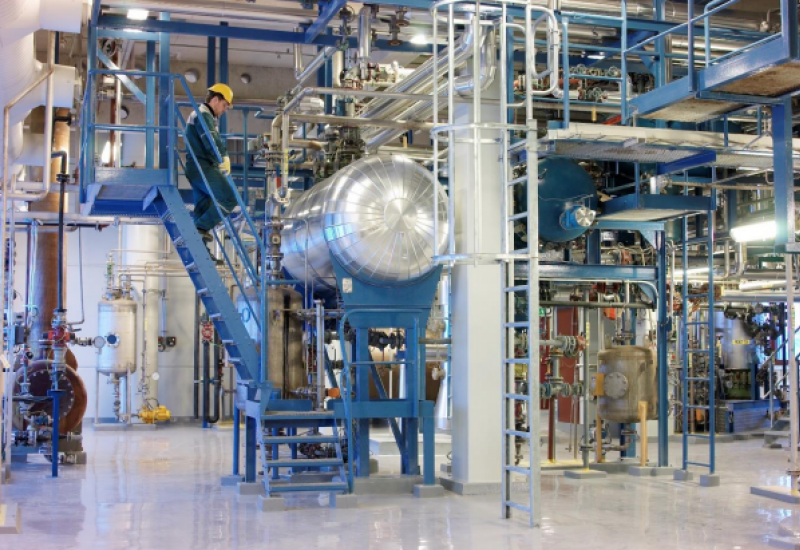
According to unconfirmed reports, private equity firm Permira is considering exiting from its ownership in CABB after seven years and an auction may begin next year. The German-headquarters fine and speciality chemicals producer could raise about $1.2 billion, it is estimated.
Permira, which has about €44 billion in committed capital around the world, originally acquired CABB from Bridgepoint in 2014. Four years later, it bought Evonik Jayhawk Fine Chemicals, adding a US presence to the company.
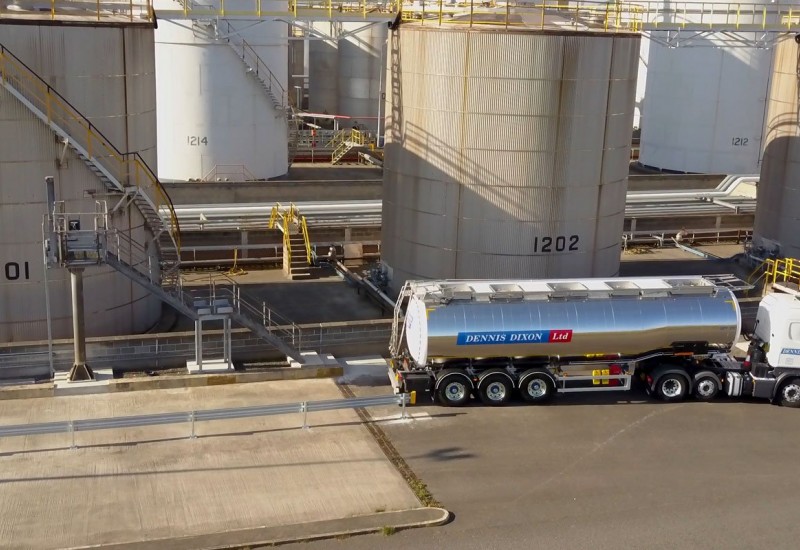
The UK’s Chemical Business Association (CBA) has written to various government ministers, warning that “the supply chain situation in the UK is deteriorating” because of the continuing and deepening shortage of HGV drivers.

CDMO Sterling Pharma Solutions has completed the initial phase of investment in its centre of excellence for research into the commercial applications of continuous flow chemistry at Dudley, UK. This follows the appointment in July of Professor Ian Baxendale of Durham University to head a dedicated team in this field.

Two companies active in the speciality chemicals sector - chemicals distributor Azelis and Nouryon, the former chemicals division of AkzoNobel – have separately announced IPOs in recent weeks. Both are currently owned by private equity.

Quotient Sciences is to invest £6.3 million to expand drug substance manufacturing at the site in Alnwick, UK, which it acquired along with Arcinova in February. This will also create 80 new jobs over the next three years and boost its capacity to develop complex medicines tenfold.
Researchers from Sasol and the Catalysis Institute at the University of Cape Town (UCT) have announced advances in the use of commercial iron catalyst in CO2 hydrogenation at rates above 40%. This produces ethylene and light olefins, which can be used as chemical feedstocks and in jet fuel much more cheaply and efficiently than cobalt catalysts.