

Feature article - Preparing for natech disasters

Jonathan Sharp, CFO of Environmental Litigation Group, looks at the impact on public health from increasing number of climate change-induced industrial disasters

Over the past decades, the discussion regarding climate change has shifted from estimated potential outcomes to far more urgent concerns regarding the reduction of its immediate adverse effects. Rising sea levels, coastline erosion and extreme weather events result directly from anthropogenic activities affecting global climate patterns.
Bachem in oligonucleotide deal

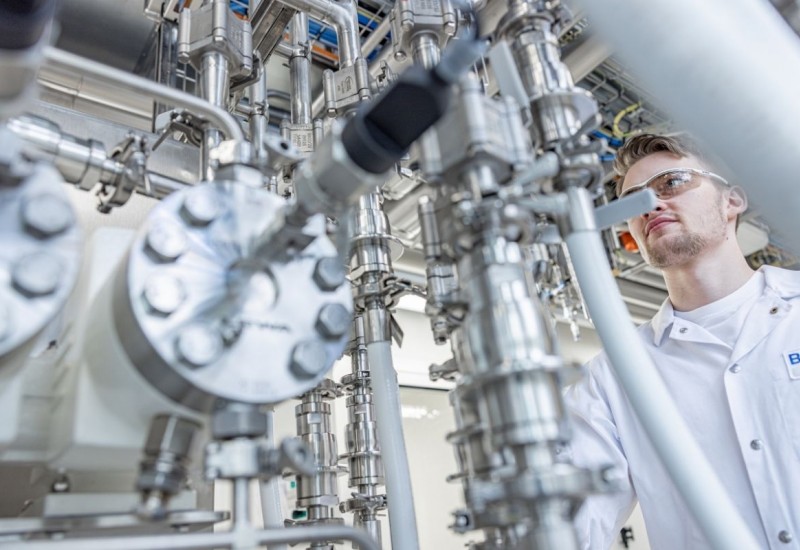
Bachem has entered a strategic collaboration under which it will provide the infrastructure and expertise to implement Eli Lilly & Company’s novel manufacturing technology for oligonucleotide APIs. It will also supply R&D and production at its site in Bubendorf, Switzerland, to make GMP-grade material using this technology.

New strategy for Evonik Active Oxygens

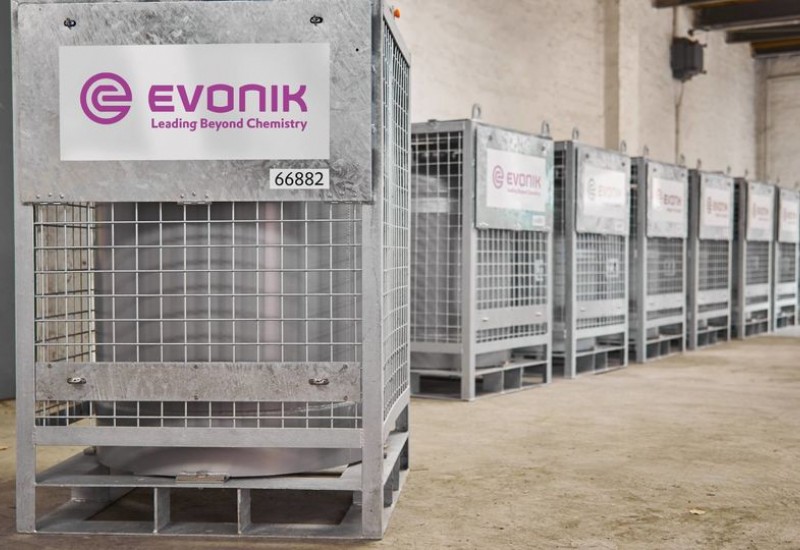
Evonik’s Active Oxygens business line has released a new sustainability strategy for its hydrogen peroxide (H2O2), peracetic acid and persulfates. This includes steps to slash carbon emissions and increase resource efficiency in production, with the goal of achieving climate neutrality across the business line by 2040.

Archroma in indigo partnership

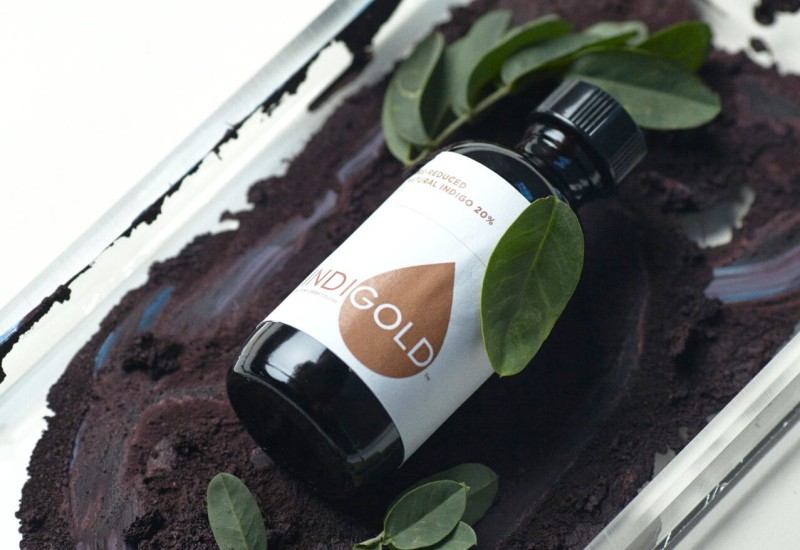
Following successful technical trials, Archroma has formed a partnership with Stony Creek Colors to market Stony Creek’s IndiGold plant-based pre-reduced indigo dye at scale. Archroma will produce the first batches at Salvatierra, Mexico.

IndiGold will be sold as a 20% concentration in a soluble liquid form. The two companies said that it displays similar performance to comparable synthetic indigo products available on the market. Stony Creek extracts the dye from proprietary

Three more join TfS

Three more companies have joined Together for Sustainability (TfS), the industry initiative for sustainable supply chains, bringing the total membership to 36. They are Germany- and Switzerland-based CDMO CABB; Mitsui, which is the first Japanese member; and Sennics, a Sinochem International subsidiary that makes polymer additives.

Cepsa Química introduces sustainable products

Cepsa Química has introduced the first products in its new line of sustainable chemicals. Both are derived from biomass and contain at least 68% sustainable or alternative carbon sources using the mass balance approach, with equivalent performance to existing products based on fossil sources.

These are NextLAB, which is a fossil-free linear alkylbenzene (LAB) for use in the production of biodegradable household laundry and cleaning products; and NextPhenol, which will replace phenol in automotive, construction and pharmaceutical applications.

Changes to REACH requirements

The European Commission has revised certain information requirements for registering chemicals under REACH. It advised companies to start preparing as the changes will start to apply in October. Further advice will be issued in 2H and changes will be made accordingly in Iuclid.

The main changes concern requirements and specific rules for the adaptation of:

* In vitro and in vivo studies, when further studies are needed based on mutagenicity concerns

Subscribe to Current issue